How We Build Applications – Our Approach to Designing and Implementing Systems
How We Build Applications – Our Approach to Designing and Delivering Systems
Building an application isn’t just about writing code. It’s a complex design process that, to be successful, must combine technical expertise, an understanding of business goals, and real user needs. That’s why for years we’ve been working within agile methodologies (Agile, Scrum), which put a strong focus on close collaboration with the client at every stage of the project.
Instead of locking ourselves into a long development cycle and handing over a “finished product” at the very end, we actively involve our clients throughout the entire process. This approach significantly increases the chances of creating a solution that:
addresses real user needs,
includes only the features that are truly required (avoiding unnecessary extras),
fits seamlessly into the client’s workflows and organizational processes.
Agile Methodologies
Agile assumes that a project isn’t a straight, linear process from “A to Z” – it evolves step by step. Instead of trying to plan and deliver the entire solution at once, we break the work into smaller phases (sprints), each of which results in a tangible, working part of the application.
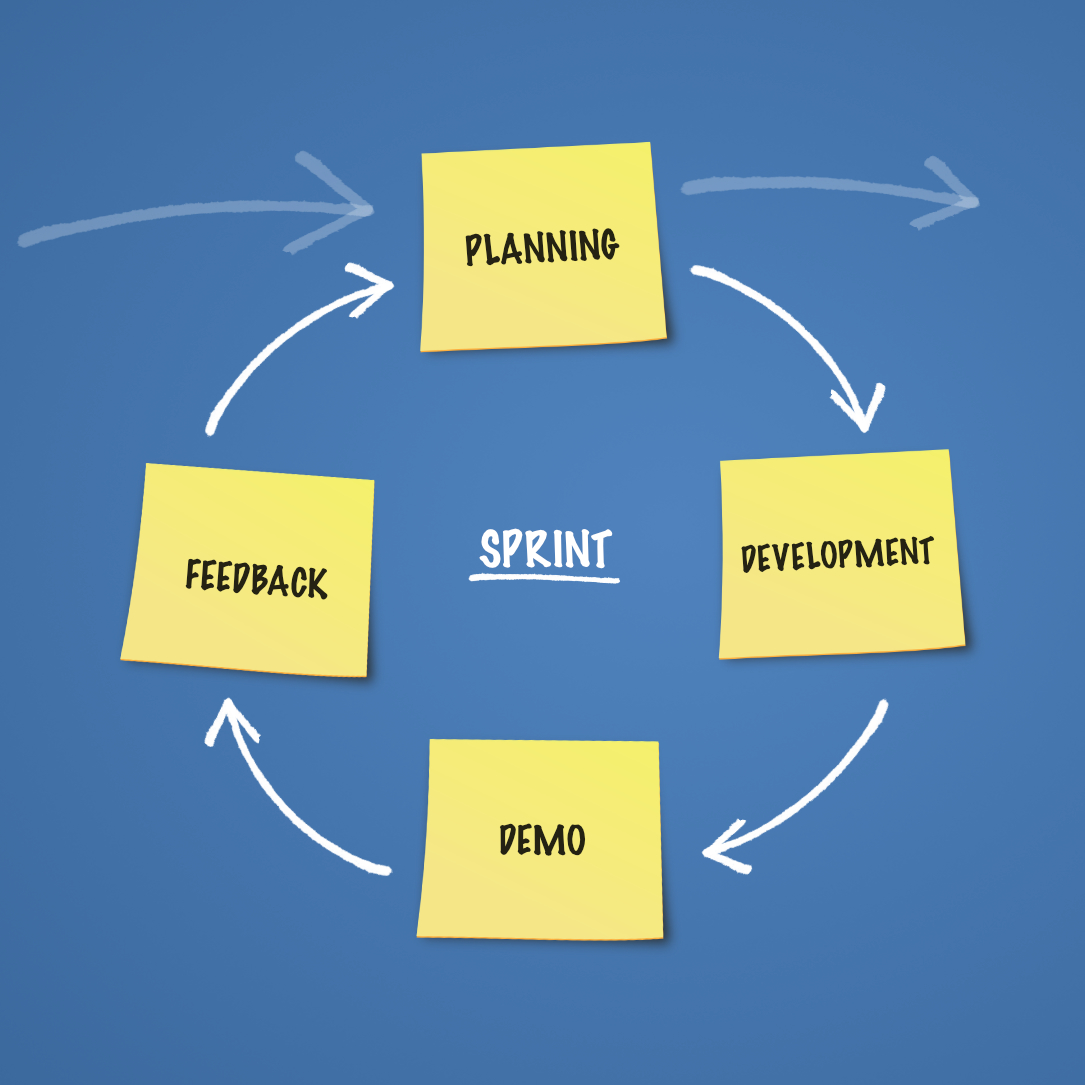
In practice, this means:
regular client meetings (usually every 1–2 weeks),
demos of each development stage,
ongoing feedback and the ability to make adjustments,
flexibility to respond to new needs that emerge during the project.
The Client as Part of the Project Team
In our approach, the client isn’t just a “requester” – they’re an active member of the project team. From the very beginning, we invite them to:
take part in workshops,
review wireframes and prototypes,
make design decisions together,
test each iteration of the application.
This way, the client has a direct impact on how the application works – both functionally and visually.
After all, the client knows their business best: the processes, the users, the challenges, and the priorities. The project team brings technical expertise, design experience, and best practices. It’s only by combining both perspectives that we can create a tailor-made solution.
Step 1 – Understanding Needs and Requirements
We begin with a series of meetings and workshops with the client’s team. The goal is to:
define the main business objectives of the application,
identify the problems it should solve,
analyze existing tools or systems (if any),
set priorities.
Based on this, we create an initial concept – outlining key features, potential technologies, and a general roadmap.
The results of this stage usually include:
a document of business and functional requirements,
defined user groups and their needs,
a list of features for further analysis and design.
Step 2 – Wireframes and Prototyping
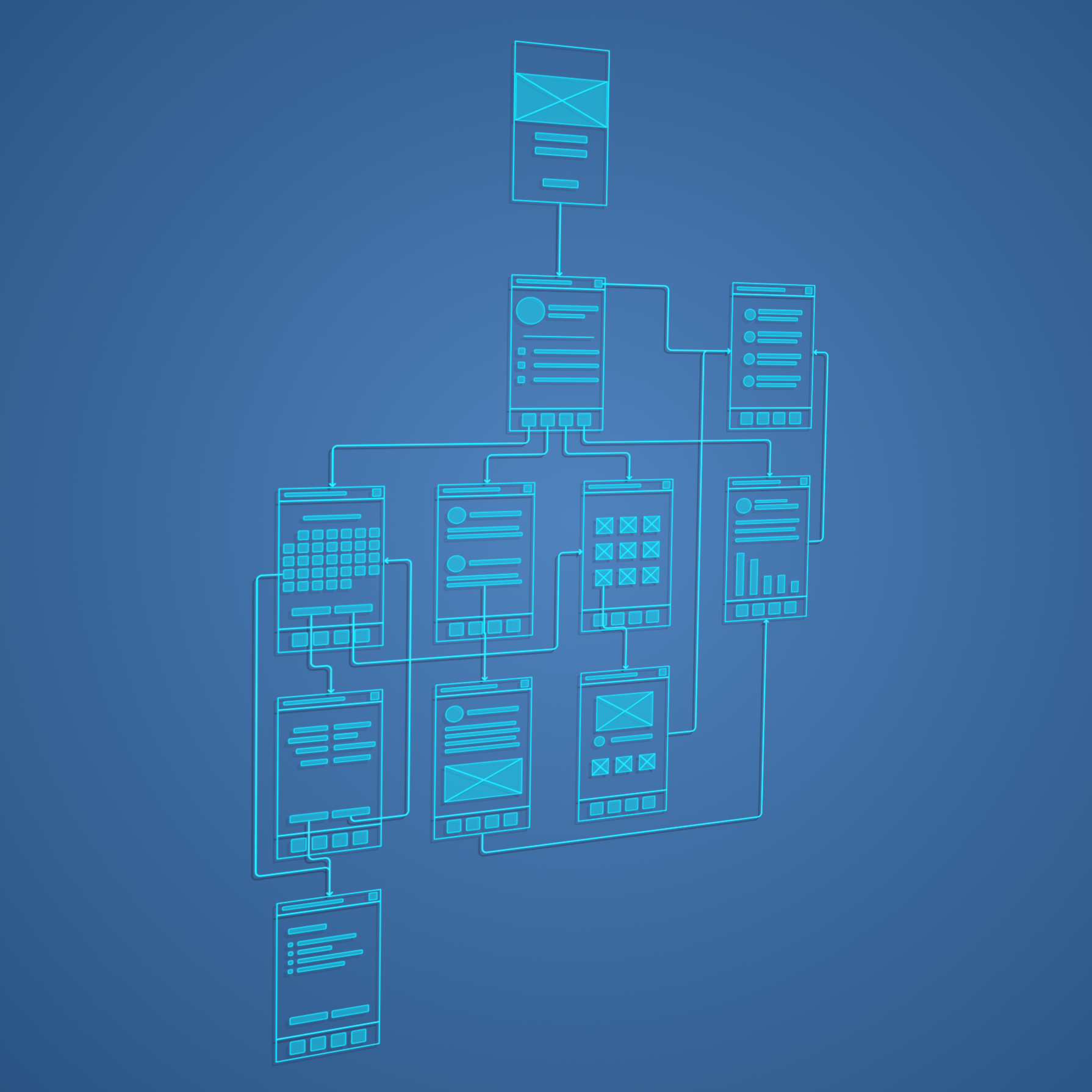
With the foundations in place, we move on to creating wireframes and interactive prototypes. Their purpose is to:
visualize user flows within the app,
define the interface structure and logic,
gather early feedback from the client and potential users.
We work iteratively – each version of the wireframes/prototypes is reviewed and refined. This helps us quickly eliminate wrong assumptions and better adapt the application to real-life use cases.
Step 3 – UX/UI Design
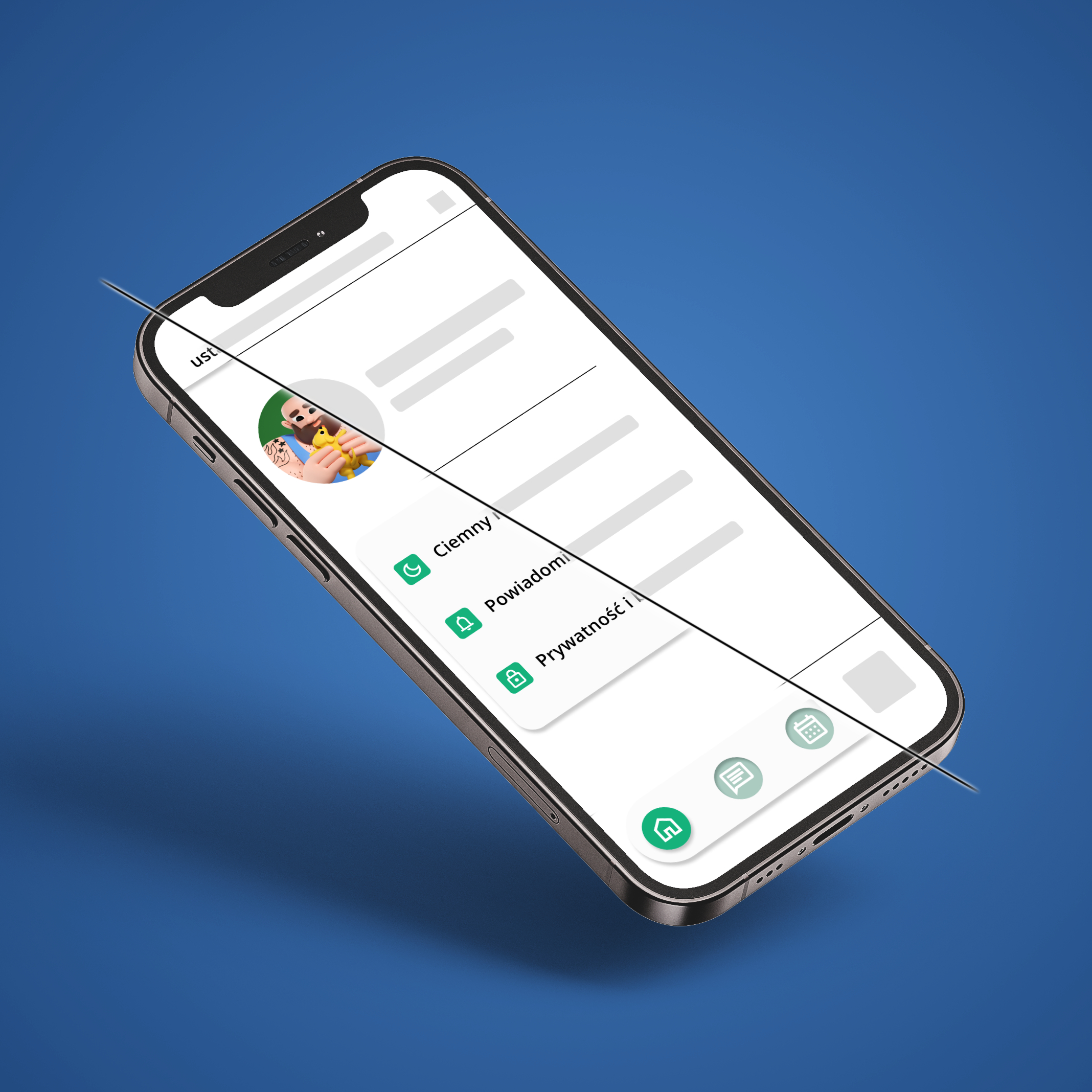
Once the wireframes are ready, we design the final look and feel of the application.
At this stage, we define not only the appearance of each screen but also the overall information architecture, navigation, and behavior of interactive elements.
We design:
a consistent visual identity (or adapt to the existing one),
layouts, components, color schemes, and typography,
interaction logic optimized for different devices (desktop/mobile).
While we often rely on proven design frameworks and libraries (e.g., Material Design, Bootstrap, MUI), we’re not limited to them – when necessary, we create custom components. The goal is always to deliver a clear, intuitive interface aligned with modern design trends and adapted to the devices on which it will be used.
Step 4 – Development
Next comes development, carried out in Agile sprints. The client always has visibility into progress. Depending on the project, we select the most suitable technologies (e.g., React, Flutter, Node.js).
Regular consultations and demo sessions allow us to gather feedback in real time, resolve uncertainties quickly, and optimize the app’s performance. If changes are needed, they’re introduced smoothly and without delays.
Step 5 – Testing
After each major development milestone, the application goes through rigorous testing, including:
functional testing – verifying compliance with requirements,
UX testing – ensuring usability and intuitive operation,
technical testing – performance, backend integration, device compatibility,
automated tests (unit and integration).
We make improvements iteratively. Thanks to close collaboration, we can respond quickly to client feedback and propose enhancements.
Step 6 – Deployment and Maintenance
Once the application is approved, we move to production deployment. This involves:
preparing the production environment,
publishing the app (e.g., in app stores or on the client’s servers),
delivering technical documentation and user guides,
providing training for the client’s team if needed.
After launch, we continue to offer technical support and maintenance. We also develop the application further in subsequent sprints, adapting it to new user needs or business requirements.